
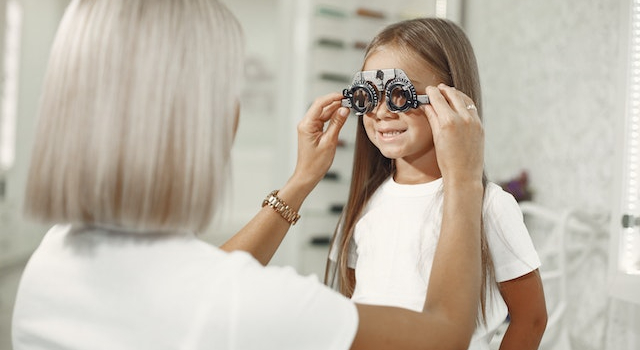
With the back-to-school season on the horizon, many parents focus on preparing their children for academic success. Amidst the flurry of school supplies and new clothes, many overlook one crucial aspect: eye health.
At Family Vision Clinic, we emphasize understanding the difference between children's eye exams and basic vision screenings. This knowledge can significantly impact your child's learning and development. Continue reading to find out why.
The Difference Between Eye Exams and Vision Screenings
Vision screenings are basic tests usually conducted by school nurses or pediatricians. These screenings identify vision problems in children that require further evaluation. While convenient, these screenings often miss complex issues as they typically only test for visual acuity (how well a child can see at a distance).
On the other hand, an optometrist or ophthalmologist conducts comprehensive eye exams. These thorough evaluations of your child's eye health and vision go beyond checking for 20/20 vision. They assess the eyes' overall health, binocular vision (how the eyes work together), eye tracking, and more. This comprehensive approach can detect conditions that vision screenings might miss, such as amblyopia (lazy eye), strabismus (crossed eyes), and other eye issues.
Why Are Comprehensive Eye Exams Essential for Children?
Vision plays a crucial role in a child's learning and development. Studies show that about 80% of learning in school occurs through visual tasks. Therefore, uncorrected vision problems can lead to difficulties in reading, writing, and other critical learning activities. Comprehensive eye exams can detect issues early, ensuring your child has the visual skills needed for academic success.
Signs Your Child Needs an Eye Exam
Parents and teachers should be aware of signs indicating a child needs an eye exam. These signs include:
- Squinting or closing one eye to see better
- Frequent headaches
- Complaints of blurred or double vision
- Difficulty concentrating on schoolwork
- Holding books or screens very close to the face
- Excessive eye rubbing
If you notice any of these signs, request an eye exam for your child early to address potential vision problems.
What to Expect During a Comprehensive Eye Exam
During a comprehensive eye exam at Family Vision Clinic, our eye care professionals will conduct various tests to assess your child's vision and eye health. These tests may include:
- Visual acuity tests: Determine how well your child sees at various distances
- Refraction tests: Identify any refractive errors such as nearsightedness, farsightedness, or astigmatism
- Binocular vision tests: Evaluate how well the eyes work together
- Eye movement tests: Check for proper eye tracking and alignment
- Slit-lamp examination: Examine the structures of the eyes, including the cornea, iris, and lens
These tests help ensure a thorough evaluation, providing a complete picture of your child's eye health and vision needs.
Why Choose Family Vision Clinic for Your Child's Eye Care?
At Family Vision Clinic, we are committed to providing your children with the highest quality eye care. Our experienced optometrists use the latest technology and techniques to ensure thorough and accurate eye exams. We take the time to understand your child's unique needs and provide personalized care tailored to their requirements. Our patient-centered approach ensures your child feels comfortable and supported throughout the exam.
Get a Head Start on Eye Health This School Year
Don’t wait until school starts to address your child's vision health. Request a comprehensive eye exam at Family Vision Clinic in Savage. Our dedicated team is here to help your child achieve their full potential by ensuring their vision is clear and healthy. Contact us now to request an appointment and give your child the gift of clear vision for the upcoming school year.
Ensuring your child's eye health is one of the best ways to support their learning and development. We are here to provide the expert care your child needs to succeed in and out of the classroom.